

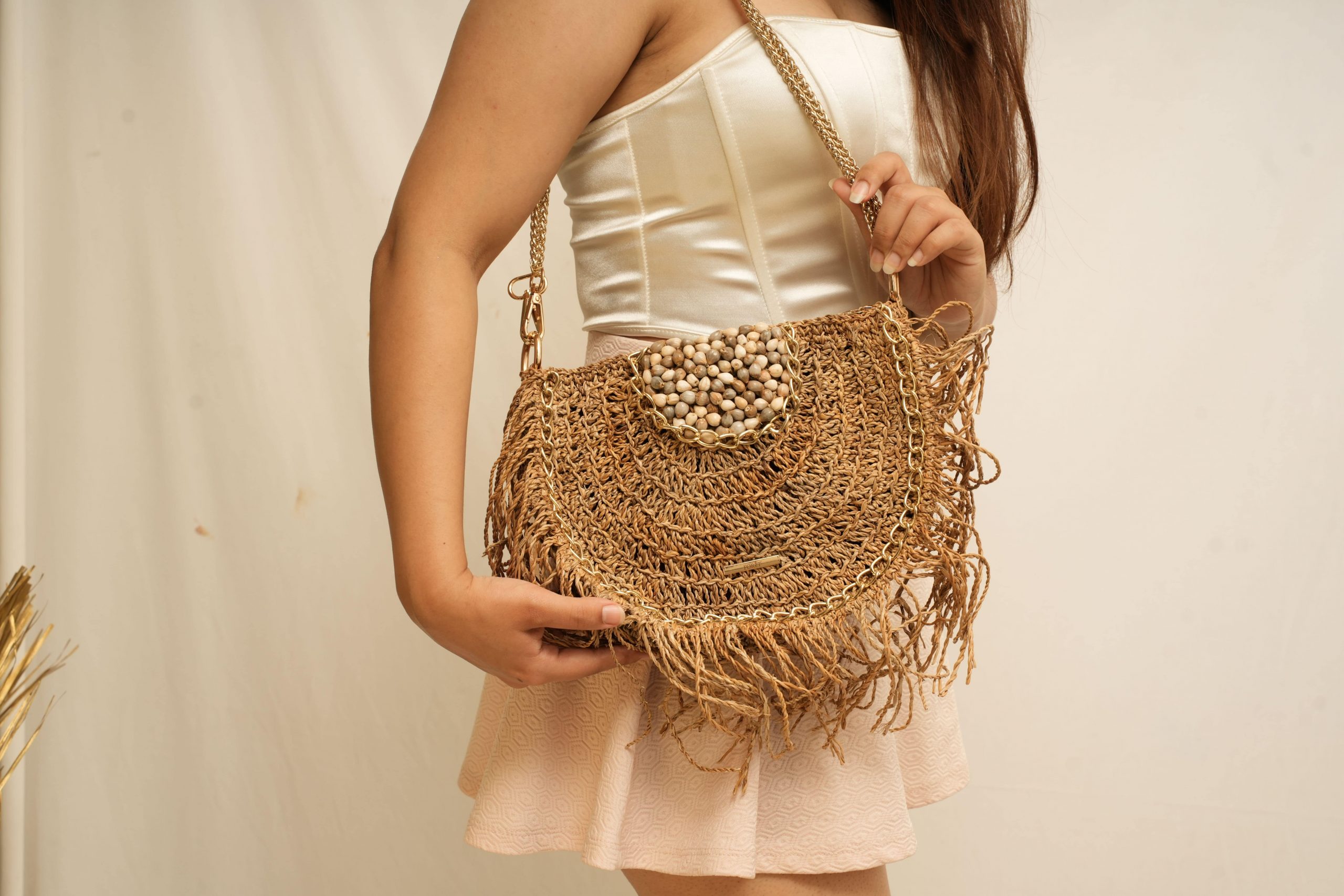
Fashion is evolving. Not just in how clothes appear or the way fashion trends evolve, but also in something more fundamental, the values behind the clothes we put on. Sustainability is now one of the biggest issues in the business, at present, and it’s easy to understand the reason. Consumers are becoming more mindful about the products they purchase and where it’s coming from, in addition to what will happen after they’re done. Sportswear is at the center of this change, and accessories such as bags made from sustainable materials are becoming an integral involved in the process too.
The Increasing Need for Eco-Friendly Clothing
It wasn’t long ago that shopping for an ethically-made jumper seemed like something that was a bit niche to accomplish. Today, it’s normal. People throughout the UK and the rest of the world are asking more difficult questions of the brands they trust regarding production lines, about materials, and about the actual cost of a basic pair of leggings. Fashion has brought these questions to the forefront, and the fashion industry has been wrestling with these issues ever since.
Brands that sell sportswear, specifically, have been forced to take an in-depth look at the way they run their businesses. A lot of them are reviewing everything from the materials they employ and the manufacturing facilities they collaborate with. It’s not enough to create something that is effective at the fitness center. The goal is to make people feel confident about everything.
Sustainable Materials’ Place in Sportswear
What does eco-friendly sportswear really look like? It all boils down to the material. Organic cotton, recycled polyester, and biodegradable organic cotton are becoming a part of collections of activewear, and often with no compromise in performance. This is important, as no one would like a top that is ruined after just three washes, no matter how beautiful its source.
Recycled polyester is a fascinating option. It’s usually constructed from waste plastics from post-consumer use, such as plastic bottles, packaging, and other items that otherwise would be destined for the landfill. The transformation into high-performance fabrics is quite clever. Organic cotton, for instance, is able to avoid the extensive pesticides and massive water usage that are associated with traditional cotton cultivation. Both aren’t perfect; however, both are real improvements.
The process of dyeing is yet another area that is experiencing a significant change. In the past, it was among the more chemically demanding aspects of creating the garment. Techniques for waterless dyeing or natural dyes are slowly replacing traditional methods. This is significant, even if it’s not a flashy marketing.
The Value of Eco-Friendly Accessories
The clothing industry is attracting the majority of the attention in these discussions. However, accessories are also catching up quickly. Shoes, bags, and hats are all part of the mix, and more and more people are beginning to consider them the same way that they consider their clothing. Why should you invest in an ethically produced outfit only to combine it with something that was made with a different set of standards?
Sustainable bags are now an inevitable part of this wider change. When you’re headed towards the gym or planning an adventure, or carrying your smatterings during the workweek, there’s now a good selection of bags made from recycled materials, organic cotton, and diverse leather alternatives that hold well and appear stylish. They’re not an issue. Many people are the best alternative.
For the sportswear companies, it makes sense to expand their sustainable philosophy to accessories. A collection that is cohesive and considers the entire ensemble – from the outfit it’s wearing, to that bag you carry on your shoulders – appears more deliberate and, in truth, more trustworthy.
How Eco-Friendly Sportswear Is Enhanced by Sustainable Bags
There’s something gratifying about having an outfit that is cohesive not only visually, but also in terms of value. If a person has made the conscious choice to purchase eco-friendly clothing and accessories, they’re usually considering the larger perspective. An option for bags that is sustainable and is in line with that philosophy doesn’t feel like a supplementary item. It’s an obvious extension of that same mindset.
A recycled polyester backpack is able to carry gym equipment efficiently. Canvas bags are enough to carry the yoga mat and an extra pair of sneakers. These aren’t fancy objects. They’re everyday, practical things which be made with more responsibility. When brands integrate this philosophy into their entire collections, it provides consumers with an authentically integrated method of making better selections.
It’s more of a comprehensive approach to living sustainably, actually – one that goes beyond switching out a single item and begins to look at the bigger overall picture.
Opportunities and Difficulties for Eco-Friendly Sportswear
Each of these has its problems, and it has to be mentioned. Sustainable materials typically cost more to make. The process of making sustainable products takes longer and more money. As a result, eco-friendly apparel and accessories typically carry an additional cost that is a major obstacle for a lot of people. This isn’t something you can gloss over.
It’s equally important to recognize the potential. Interest in sustainability among consumers isn’t going to disappear and, in fact, is increasing. This is a huge incentive for innovation. Waterless dyeing, biodegradable fabrics, and closed-loop production systems. The possibilities are truly exciting, and the brands that are investing in addressing these issues now are likely to be in the future as expectations continue to increase.
The Consumer’s Influence on Fashion’s Future
The thing is that it’s not possible to do this without the people who actually choose the option. Brands respond to the demand. If enough customers value the environment – and choose to buy a recycled fibre top over the less expensive one or opt for bags made from sustainable materials instead of something that will break within six months – the market takes note.
However, it extends beyond individual buying decisions. The larger trend towards sustainable fashion also involves getting transparency, supporting fair labor practices, and ensuring that brands are held to account when the claims they make do not match up. This is a more mindful approach to fashion, and one that’s growing in popularity.
Conclusion
The use of eco-friendly clothing and accessories, such as bags made from sustainable materials, has moved beyond status as trendy. They are a significant and long-lasting shift in the way the fashion industry views its obligations. As more consumers choose eco-friendly options – and fashion brands adapt to those demands, there’s a good possibility of optimism regarding the direction of things. Fashion that’s made well and less harmful to the environment isn’t a distant dream. It’s becoming more and more what people want.