

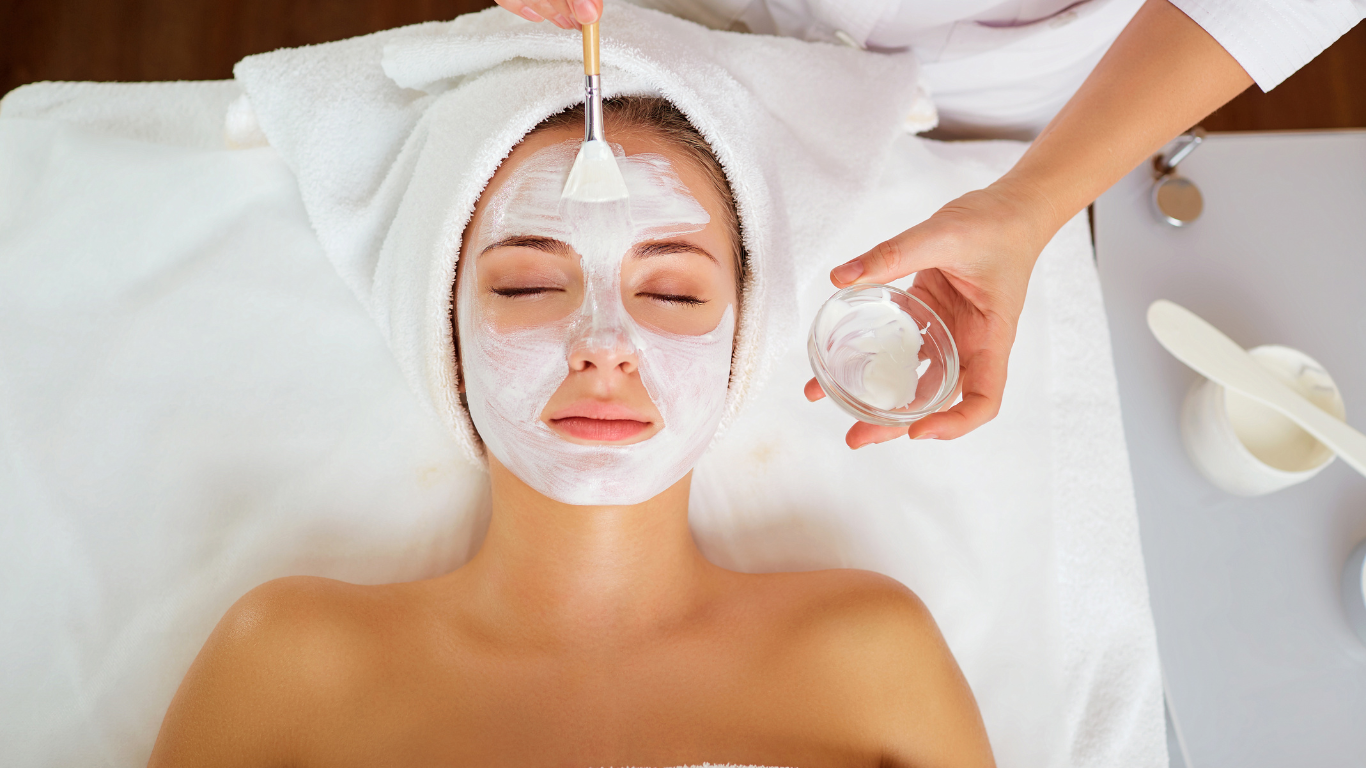
Beauty is no longer considered to be just cosmetic, skincare products, or salon treatments. Over the last few years, it has become clear to many that beauty is synonymous with well-being. Good skin, hair, and good looks are frequently a consequence of good physical and mental health habits. Due to this, the beauty industry has started to focus on a more comprehensive strategy that empowers people to take better care of their bodies.
Self-care is one of the largest shifts in beauty in recent times. Rather than focusing on an unattainable goal, many are working on a program that makes them feel healthy and comfortable in their own bodies, and confident in doing so. The change has fostered a more balanced attitude toward beauty, with wellness routines like sleep, hydration, and stress management prioritized alongside cosmetics.
Essential Nutrients and Antioxidants
Nutrition is an important contributor to supporting natural beauty. What people eat can have an effect on the condition of their skin, hair, and nails. Fruits, veggies, healthy fats, and nutrients help the body build healthy cells and beat environmental stressors. In particular, foods high in antioxidants are being looked at for their beneficial effects on skin health and their contributing role to youthful-looking skin.
Another aspect of sleep has also entered the beauty and wellness dialogue – as a key component of the conversation. The body carries out numerous restorative processes during sleep that impact how it appears. Poor sleep can cause dull skin, dark circles under the eyes, and a tired appearance. The importance of these effects has become increasingly recognised, and many have begun to consider quality sleep as an essential component of their beauty regimen, not an indulgence.
Cultivating Emotional and Physical Balance
Another element that has become more linked to beauty is mental health. Over a period of time, stress can manifest itself in many different ways in the body, such as in the skin or in the hair. This is why meditation, mindfulness, and relaxation exercises have become popular parts of contemporary beauty treatments. Through emotional well-being, people can also find improvements in how they look.
With these shifting priorities, the beauty market has come up with products and services that prioritize wellbeing over beauty. Ranging from skincare that uses calming ingredients to treatments that target relaxation, brands and consumers are beginning to see that people are seeking solutions to aid in overall well-being, not just temporary fixes.
Digital Innovation in Skincare
Technology has also enhanced the beauty and wellness link. With personalized skin care products and tracking apps, as well as virtual consultations, people can more easily understand their specific needs. These tools enable consumers to make informed choices and establish routines that meet their objectives and way of life.
Sustainability is also a part of the contemporary beauty and wellness trend. Consumers are becoming more aware of the substances in products and of the repercussions of what they buy for the environment. The rising consciousness has made companies more responsible in their practices and developed products that are in tune with the consumers’ values.
Conclusion
Beauty is always a constantly developing thing, and so will the connection between beauty and wellness become even more robust. People are not just looking at external solutions but at a broader one that takes into account the care of the whole person. The change is part of an overall attitude shift, that beauty is about more than just appearance, but how someone feels, and what they do to make a difference to their overall health.
Beauty and wellness are likely to continue to go hand in hand in the years to come, impacting consumer behaviors and trends in the industry. Following healthy lifestyle practices and taking care of oneself can make a meaningful and sustainable contribution to one’s health and natural beauty.