

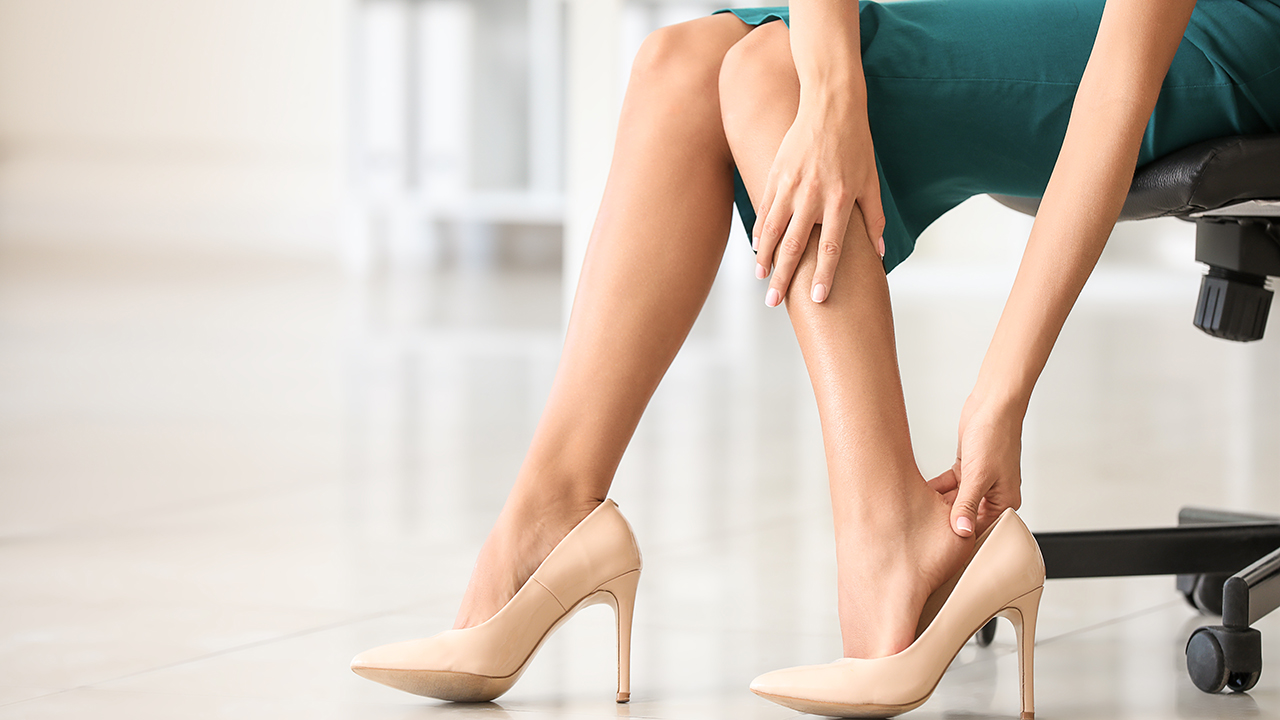
The block heel has worn itself out as among the most timeless silhouettes in the world of women’s footwear – not because of its trend cycles or seasonal re-invention but because of simple-minded mixes of practicality and aesthetic flexibility.
The block heel is based on a fairer deal than the stiletto which demands much of the wearer in the name of its aesthetic effect. It provides a little height and polish without the instability and fatigue a narrower heel will inevitably cause at work all day.
However, block heels are not all the same. The category goes all the way up to clumsy ankle boots and all the way down to low-set mules and the difference between a pair that seems to fit and feel so comfortable at the end of the day and a pair that turns into a point of regret by midday is reduced to a few particular choices that are made during the purchase.
The Impact of Heel Height on Comfort
The distinguishing feature of a block heel is the wide, square, heel column that disperses the weight of the body over a larger surface area than a tapered or stiletto heel. The direct mechanical consequence of this geometry is that the foot is more stable on the impact, the ankle is less strained laterally and the centre of gravity of the wearer is in a more natural position.
The resulting effect is a practical heel which can be worn over long periods of time without the focal pressure that narrower heels cause in the ball of the foot and the arch. The block heel is the most functional place to start as far as women are concerned when they desire the aesthetic advantage of a heeled shoe without compromising on comfort during a full working day or evening event.
With that said, comfort is not a given. A block heel which is poorly built upon an inappropriate last will not be any more forgiving than an average stiletto. The width of the heel is just a variable of a more complicated equation.
Heel Height and Comfort Effect
The most noticeable variable of a block heel is height and this is where most buyers make their initial choice. The correlation between heel height and comfort is not necessarily inversely proportional – heel width, platform depth and the angle of the foot have more influence than heel height.
Low block heels, which are between 2.5-5 centimetres, do not add much more strain than a flat shoe. They are the most comfortable to wear on long days and can be worn with a variety of outfits, including custom trousers or loosely fitting midi skirts.
The 5 to 7.5 centimetre mid-height block heels will provide a more pronounced shape and be truly comfortable to most users in prolonged use, assuming that the quality of construction is satisfactory and that the columnar width of the heel is not much less than the height.
Any heels higher than 8 centimetres start posing greater loads on the foot irrespective of the heel width. Even a platform a few millimetres at the toe will lower the effective pitch of the foot, and will far better serve at higher steps. This should be sought after by the shoppers who consider heels on the upper end of the block heel range.
Shape of Toe and Its Neglected Significance
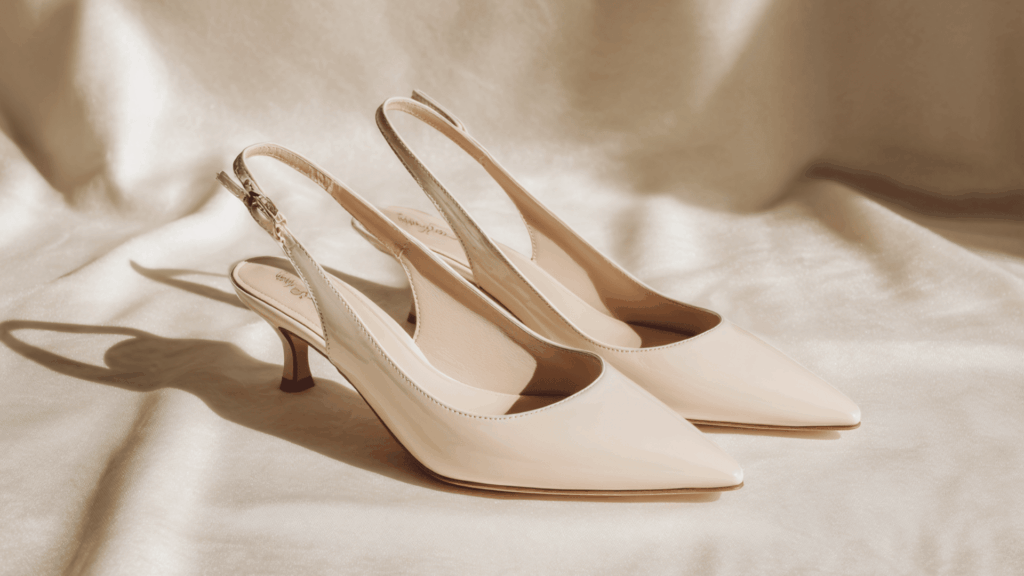
The shape of a block heel toe box influences comfort in the same way that the heel itself does, but is often less well considered. A sharp, or very slim toe box squashes the forefoot, whether the heel is stable or not, establishing the same combination of issues of pressure on toes, limited splay, and possible blistering that can occur with less accommodating types of shoes.
A square or rounded toe box enables the foot to fit in the shoe naturally with less friction and helps to distribute weight throughout the forefoot more effectively with each stride. With wearers likely to be on their feet most of the day, a wide toe box is not a fashion trade-off – it is a functional necessity.
Between these two choices lies the almond shaped toe boxes, which are ideal in most foot structures, and provide a clean, elongating line, versus the narrowing of a more aggressively pointed toe.
Materials, Construction and Lining
The top of a block heel influences the appearance of the shoe as well as the performance of the shoe after several hours of use. Real leather, although usually more costly, shapes itself to the contour of the foot and breathes better than the artificial ones. A leather upper which begins a little tight will frequently loosen up with usage; a synthetic upper which is initially uncomfortable is likely to be so all the time.
The inner of the shoe – especially the lining of the heel counter and the insole – is important to all day wear. A cushion or padded insole will minimize the impact of hard floors and will minimize fatigue in the arch. A well heeled and smooth heel lining eliminates friction which can lead to the formation of blisters at the back of the ankle, which is disproportionately frequent in block heels used without hosiery.
The very construction of heels is open to criticism. A well secured heel column that is solid and does not sway or move during the act of walking offers this very stability that the block heel promises on paper. Lower-cost construction can result in a heel that appears proportional, but acts erratically, especially on rough surfaces.
Styling Across Occasions
One of the attractive properties of block heels is its ability to cross-contexts. A neutral heel block heel mid-height in a neutral leather – black, tan or a warm nude – is a near-universal shoe, which can fit well with any professional clothing in the workplace and can easily transfer into evening wear without the need to change.
Thicker proportions of heel, like on ankle boots with a stacked heel, are more casual and are the best fit, in my opinion, with denim, relaxed tailoring, or layered knitwear. They are less functional in a formal environment and are very comfortable to wear on a daily basis.
Decorated or patterned – snakeskin print, patent leather, or metallic finishes have a more directional style that is appropriate to particular events as opposed to daily turnover. When the base neutral pairs are established, they can be a powerful complement to a wardrobe.
Choosing the Correct Pair
The number of choices in the block heel category is so extensive that there is seldom a single brand shop to conduct the search for the optimal combination of height, toe shape, material and price range. Retailers which carry a variety of well-established footwear brands, are more useful than those with a less variety, simply because they can be compared to one another, properly.
Brand House Direct has a wide selection of heels on women, across brands and styles, which makes it an ideal choice when a shopper wishes to compare the different styles and make a final decision. Wearing them on both feet, not only one, and walking on a hard floor instead of the carpeting used in most shoe departments will provide a better idea of how a shoe will really feel.
One of the wager investments a wardrobe can hold is a well-selected block heel. It provides stature and projection without requiring undue physical compromise and the variety of its stylistic options signifies that it can fit in a variety of environments. It is reduced to right height, toe shape and quality of construction to the actual lifestyle of the wearer a computation which is simple when one is aware of the relevant variables.